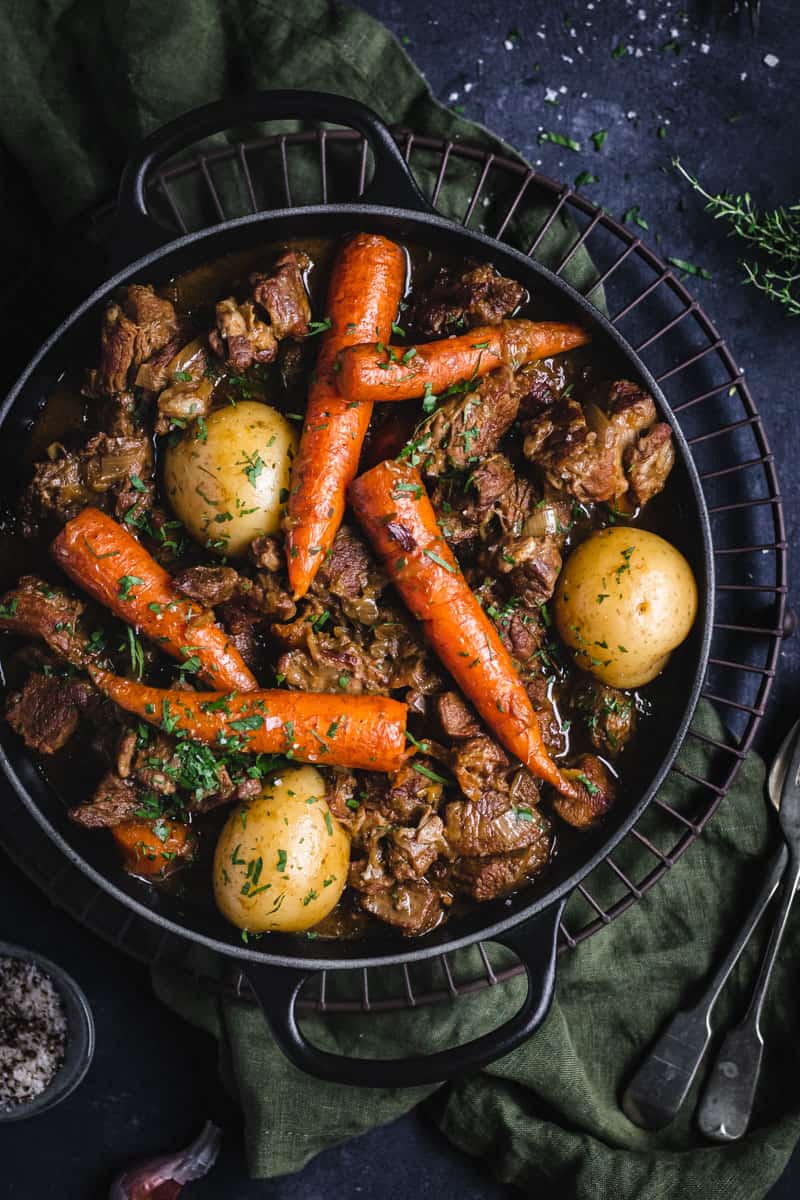
Irish Stew: A Timeless Classic for Every Season
There are few dishes that evoke warmth, comfort, and a sense of tradition quite like a hearty bowl of Irish stew. Far more than just a celebratory meal for St. Patrick's Day, this beloved dish from Ireland has captivated palates worldwide, cementing its place as a go-to comfort food. Whether you're seeking solace on a chilly evening or planning a festive gathering, understanding the nuances of a great irish stew recipe is key to unlocking its full, delicious potential. Let's delve into what makes this iconic stew so special, from its traditional roots to modern variations that suit every taste.
The Heart of the Stew: Lamb, Mutton, and Modern Twists
At the very core of a truly authentic irish stew recipe lies the choice of meat. Traditionally, this warming dish was prepared with mutton, derived from older sheep, which provided a deeper, more robust flavor. However, as culinary trends and ingredient availability have evolved, lamb has become the preferred choice for many contemporary cooks. Lamb offers a slightly milder, more tender profile while still delivering that distinctive, hearty taste essential to Irish stew.
The beauty of using lamb, especially cuts like shoulder or neck, is its ability to tenderize beautifully during the long, slow cooking process, infusing the broth with its rich essence. For those who might find lamb challenging to source or simply prefer a different flavor, a robust beef stew meat (such as chuck roast) makes for an equally delightful and fulfilling alternative. While a "beef stew" technically differs from an "irish stew," substituting beef chuck roast creates a delicious and comforting meal that maintains the spirit of a long-simmered, hearty stew. The key is to choose a cut that benefits from extended cooking, ensuring melt-in-your-mouth tenderness.
The Great Vegetable Debate: Crafting Your Perfect Irish Stew
When it comes to the vegetables in an irish stew recipe, a delightful debate often arises among purists and culinary innovators. Traditionally, some believe that only potatoes and onions should grace the pot, allowing the lamb and broth to truly shine. However, many modern interpretations embrace a wider array of vegetables, enhancing both flavor and nutritional value. The choice, ultimately, is yours, and it often dictates whether your stew is a minimalist masterpiece or a more substantial, all-in-one meal.
Including root vegetables like carrots, parsnips, and leeks adds layers of sweetness, earthiness, and a vibrant color contrast. A touch of cabbage towards the end of cooking can also introduce a delicate crispness and additional depth. These additions transform the stew into a truly complete and satisfying dish, where every spoonful offers a medley of textures and tastes. Don't shy away from experimenting to find your ideal balance of ingredients. For a deeper dive into this classic culinary discussion, explore Traditional Irish Stew: Lamb, Potatoes & The Veggie Debate.
Potato Power: Selecting the Right Spud for Your Stew
No discussion of an irish stew recipe would be complete without a dedicated nod to the humble potato. Potatoes are not just a filler; they are a fundamental component, contributing both substance and, crucially, natural thickening to the stew. Understanding potato types can significantly impact your stew's final texture:
- Starchy Potatoes (e.g., Russets): These tend to break down easily, releasing starch that helps to thicken the stew, but might result in a somewhat mushy texture.
- Waxy Potatoes (e.g., Red-skinned, Fingerlings): Ideal for stew, waxy potatoes hold their shape beautifully even after long simmering, offering distinct, tender chunks in every bite.
- All-Purpose Potatoes (e.g., Yukon Golds): These fall in the middle, offering a balance of holding their shape while releasing some starch to contribute to the broth's body.
For the perfect balance, many chefs recommend using waxy potatoes to maintain structural integrity, or even a combination of waxy and all-purpose potatoes. This allows some potatoes to slightly disintegrate, naturally enriching and thickening the broth, while others retain their comforting chunkiness.
Mastering the Consistency: From Brothy to Beautifully Thick
A hallmark of a truly great irish stew recipe is its rich, comforting thickness. Unlike a light soup, Irish stew should be a substantial, "stick-to-your-ribs" kind of meal. The broth should be luscious and flavorful, clinging to the meat and vegetables, not watery or thin. Achieving this perfect consistency is a crucial step in stew mastery.
Natural thickening often comes from the starch released by the potatoes, especially if you include some starchy varieties or grate a small amount into the stew. Flour, often lightly dusted over the browned meat or sautéed vegetables before liquid is added, also plays a significant role in building a robust base. High-quality beef or lamb stock is also vital, providing a depth of flavor that water simply cannot match.
Should your stew's consistency not be quite right, fret not! It's easily adjustable:
- If too thick: Simply add a little more stock or water until it reaches your desired consistency.
- If too thin:
- Simmer the stew, uncovered, for an additional 15-30 minutes, allowing the liquid to reduce and thicken naturally.
- Alternatively, create a quick cornstarch slurry by whisking a tablespoon of cornstarch with an equal amount of cold water until smooth. Stir this paste into the simmering stew and cook for a few more minutes until thickened to your liking.
For more expert advice on achieving that perfect, rich texture, check out Perfect Irish Stew: Mastering Lamb, Potatoes, and Ideal Thickness.
Cooking Methods: Oven vs. Stovetop for Ultimate Tenderness
While an irish stew recipe can certainly be prepared on the stovetop, many cooks swear by the oven method for superior results. Cooking stew in the oven provides gentle, even heat from all directions, which is fantastic for slowly breaking down tough cuts of meat without the risk of scorching the bottom or boiling too vigorously. Boiling can toughen meat fibers, whereas a gentle simmer ensures succulent, fall-apart tenderness.
If you opt for the stovetop, ensure you keep the heat very low and check it periodically to prevent it from simmering too briskly. A heavy-bottomed pot or Dutch oven is ideal for either method, providing excellent heat retention and distribution.
The Magic of Time: Why Leftovers Taste Even Better
One of the most remarkable qualities of a well-made irish stew recipe is its incredible ability to improve with age. Much like many robust, slow-cooked dishes, Irish stew often tastes even better the day after it's prepared. As the stew cools and rests, the flavors have ample time to meld, deepen, and fully saturate every ingredient. The herbs and spices become more pronounced, the meat absorbs more of the savory liquid, and the vegetables develop a more integrated taste.
This makes Irish stew an excellent candidate for meal prep. Prepare a large batch a day or two in advance, store it in the refrigerator, and simply reheat it gently on the stovetop when you're ready to serve. The anticipation of that deepened flavor profile only adds to the comfort!
Serving Your Classic Irish Stew
Once your Irish stew has simmered to perfection, the final step is to serve it in a way that truly celebrates its rustic charm. The ultimate accompaniment is a generous hunk of crusty bread or traditional Irish soda bread, perfect for soaking up every last drop of the rich, savory broth. A sprinkle of fresh parsley adds a pop of color and freshness. Whether it's the centerpiece of your St. Patrick's Day feast or a simple weeknight meal, this timeless dish promises warmth, satisfaction, and a delicious taste of Ireland.
From its humble origins to its global appeal, Irish stew remains a testament to the power of simple, quality ingredients transformed by time and care. Understanding the core elements of a great irish stew recipe – from the choice of meat and vegetables to mastering its comforting thickness – empowers you to create a dish that's not just food, but an experience. So, gather your ingredients, fire up the stove (or oven), and immerse yourself in the delightful tradition of this classic comfort food, ready to be enjoyed anytime the craving strikes.
