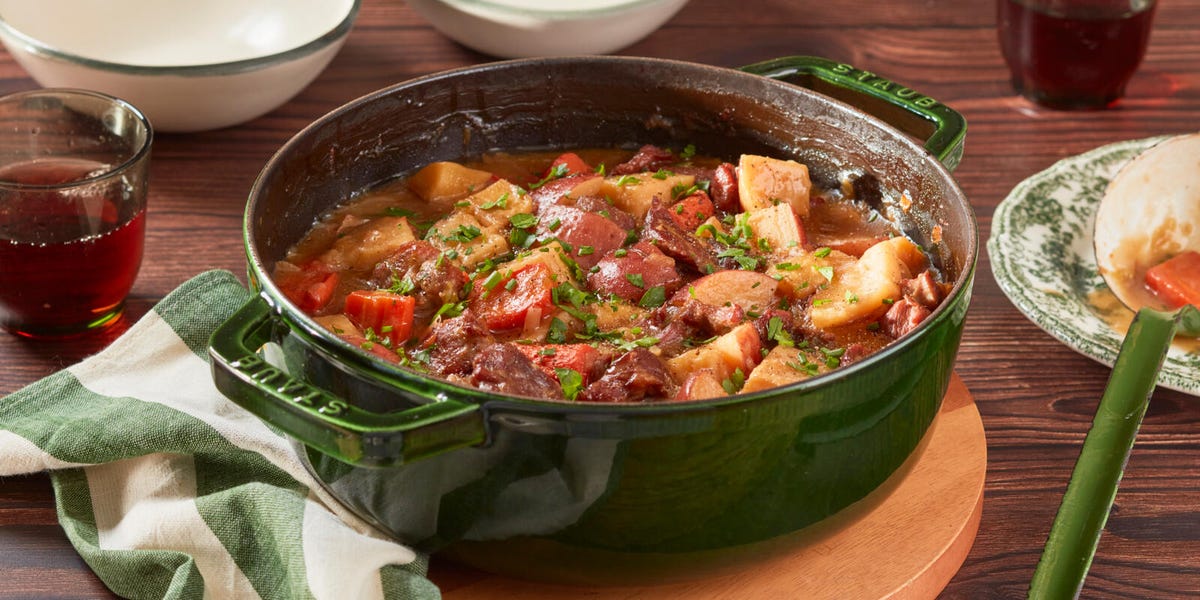
Traditional Irish Stew: A Hearty Embrace of Lamb, Potatoes & The Veggie Debate
There are few dishes that evoke a sense of home, comfort, and culinary heritage quite like Traditional Irish Stew. This iconic dish, a true culinary gem from the Emerald Isle, has graced tables for centuries, warming bellies and souls with its rich, savory depths. While beloved globally, especially around St. Patrick's Day, this isn't merely a festive meal; it's a testament to simple, wholesome ingredients transformed into something extraordinary. If you're searching for an authentic **irish stew recipe** that balances tradition with modern flavor preferences, you've come to the right place. Let's delve into the heart of this classic, exploring its essential components, the famous "veggie debate," and tips for crafting your perfect pot.
The Heart of the Stew: Lamb vs. Mutton & Beyond
At the very core of a truly traditional **irish stew recipe** lies the meat. Historically, this meant mutton – meat from an older sheep – known for its robust flavor and ability to withstand long, slow cooking. However, as culinary tastes and availability have evolved, lamb has become the predominant choice. Lamb, being younger and more tender, offers a milder yet still distinctive flavor that many modern palates prefer. Cuts like lamb shoulder, neck, or shank are ideal, as their marbling and connective tissues break down beautifully over hours, yielding incredibly tender, flavorful results.
While some purists insist only on lamb or mutton, the reality of grocery store availability sometimes necessitates alternatives. If lamb is difficult to source in your area, or if you simply prefer it, beef stew meat (such as chuck roast) can be a delicious substitute. It's important to note, however, that a stew made with beef is technically a "beef stew," not an Irish stew in the strictest traditional sense. The unique flavor profile of lamb is a hallmark of this beloved dish. For an even richer base, browning your chosen meat thoroughly before adding liquids is a crucial step, creating a foundational layer of flavor through the Maillard reaction.
The Great Vegetable Debate: To Add or Not To Add?
No discussion about an **irish stew recipe** is complete without addressing the "veggie debate." For the most staunch traditionalists, an authentic Irish stew includes only lamb or mutton, potatoes, onions, and water (or stock). The idea was to create a simple, economical, yet deeply satisfying meal from basic ingredients. However, over time, many cooks—both in Ireland and abroad—have embraced the inclusion of other root vegetables, transforming the stew into an even more comprehensive and nutritionally robust meal.
Our recommendation? While respecting tradition, don't shy away from adding a medley of vegetables. Carrots, leeks, parsnips, and even a touch of cabbage or celery not only enhance the visual appeal but also contribute layers of sweetness, earthiness, and essential nutrients, making the stew a truly complete one-pot meal.
The Starches: A Word on Potatoes
Potatoes are non-negotiable in an Irish stew, and selecting the right type is key to achieving the perfect texture. Potatoes fall into three categories:
* **Starchy Potatoes (e.g., Russet):** These break down easily and can make your stew too mushy if not managed carefully.
* **Waxy Potatoes (e.g., Red-skinned, Fingerlings):** These hold their shape wonderfully during long cooking times, providing distinct, tender chunks of potato in your stew. They are often recommended for their structural integrity.
* **All-Purpose Potatoes (e.g., Yukon Gold):** These offer a middle ground, softening enough to contribute to the stew's thickness while still retaining some shape.
For an ideal balance, consider using waxy potatoes for most of your stew, perhaps adding a small amount of a starchy or all-purpose variety towards the end of cooking to naturally thicken the broth as they break down. The starch from the potatoes is a traditional thickener, giving the stew its characteristic hearty consistency.
Achieving Perfection: Texture, Flavor, and Cooking Methods
A perfect **irish stew recipe** isn't just about ingredients; it's about technique and patience. The goal is a thick, stick-to-your-ribs kind of meal, not a thin, watery soup.
The Ideal Consistency
The richness of an Irish stew comes from a combination of factors. The starch released from the potatoes plays a significant role. If your stew appears too thin, there are a few simple solutions:
* **Simmer Uncovered:** Simply let the stew simmer gently, uncovered, for an additional 15-30 minutes towards the end of cooking. The evaporation will naturally thicken the liquid.
* **Cornstarch Slurry:** For a quicker fix, mix a tablespoon of cornstarch with an equal amount of cold water to form a smooth paste. Stir this slurry into the simmering stew and cook for a few more minutes until thickened.
* **Mashed Potato Magic:** A classic Irish trick is to mash a few cooked potatoes from the stew itself and stir them back in. This not only thickens but also adds a creamy texture.
If, conversely, your stew becomes too thick, a splash more beef or vegetable stock (or even water) will bring it to your desired consistency. For more insights into perfecting the stew's texture and meat preparation, explore our guide on
Perfect Irish Stew: Mastering Lamb, Potatoes, and Ideal Thickness.
Slow Cooking for Unrivalled Flavor
The magic of Irish stew truly unfolds with time. Slow cooking, whether on the stovetop or in the oven, allows the tough cuts of meat to become incredibly tender and the flavors of all ingredients to meld beautifully.
* **Oven Method:** Cooking your Irish stew in the oven is highly recommended. A steady, low temperature (around 325-350°F / 160-175°C) ensures even cooking, prevents the stew from boiling too vigorously (which can toughen the meat), and minimizes the risk of scorching.
* **Stovetop Method:** If using the stovetop, maintain a very low simmer, ensuring the heat is gentle and consistent. Stir occasionally to prevent sticking.
One of the greatest secrets to an exceptionally flavorful Irish stew is making it a day ahead. The flavors intensify and deepen overnight, creating an even more delicious experience when reheated gently on the stove the next day. This allows the various aromatic compounds to fully integrate, resulting in a richer, more harmonious taste.
Serving Your Soul-Warming Irish Stew
Once your Traditional Irish Stew has simmered to perfection, the moment arrives to savor its comforting embrace. Serve generous bowls piping hot, garnished with a sprinkle of fresh parsley for a touch of brightness.
The ultimate accompaniment? A thick, crusty loaf of soda bread or a rustic baguette, perfect for soaking up every last drop of the rich, savory broth. A pint of Guinness or a robust red wine makes for an excellent pairing, complementing the stew's hearty character.
While Irish stew is inextricably linked with St. Patrick's Day celebrations, its soul-warming qualities make it a perfect dish for any chilly evening, a comforting weekend meal, or simply when you crave something deeply satisfying. Whether for St. Patrick's Day or a cozy evening, this dish truly exemplifies comfort food. Dive deeper into its appeal in
Irish Stew: Your Go-To Comfort Food, St. Patrick's Day & Beyond.
Conclusion
Traditional Irish Stew is more than just a meal; it's a culinary journey rooted in history and flavor. From the choice of lamb to the debate over vegetables and the art of slow cooking, each element contributes to its beloved status. By understanding the nuances and embracing a few simple techniques, you can create an **irish stew recipe** that not only honors tradition but also becomes a cherished part of your own family's culinary repertoire. So gather your ingredients, set aside some time, and prepare to be rewarded with a bowl of pure, heartwarming bliss.