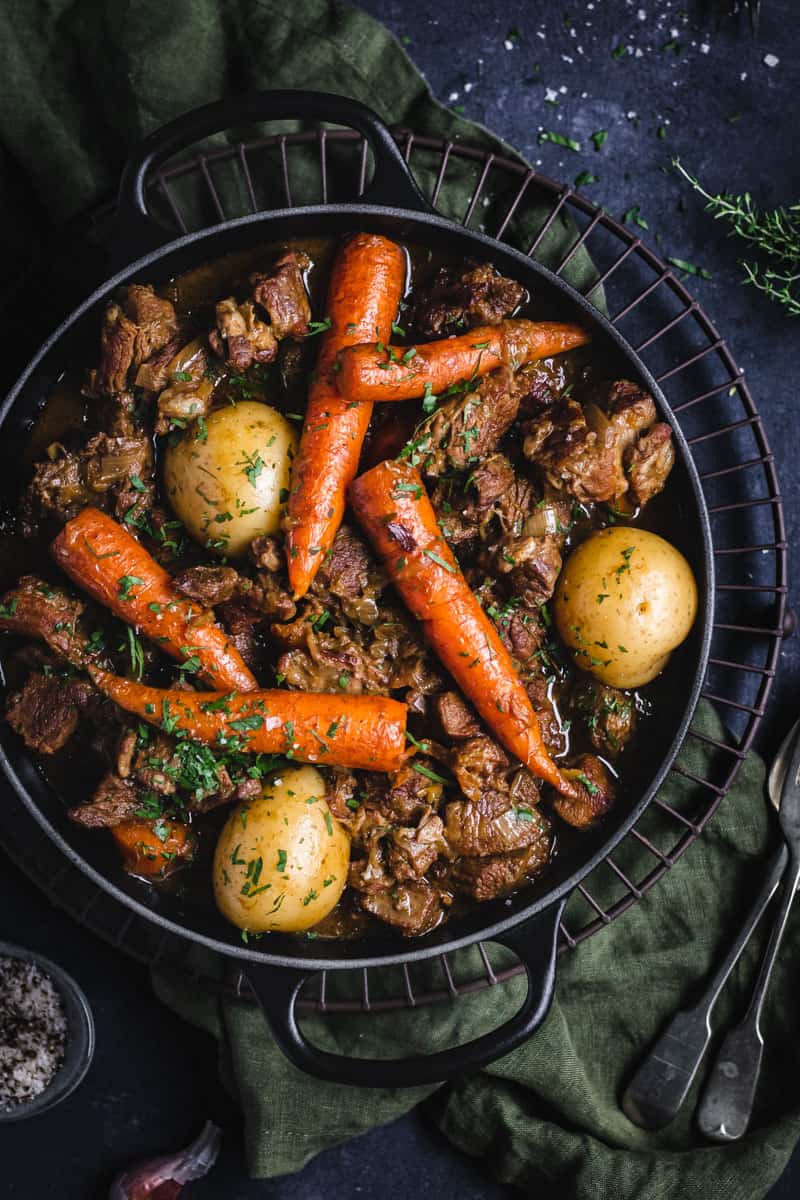
Perfect Irish Stew: Mastering Lamb, Potatoes, and Ideal Thickness
There's something uniquely comforting and deeply satisfying about a steaming bowl of Irish stew. More than just a meal, it's a culinary hug, a dish steeped in history and beloved across generations. Originating from the emerald isle, this hearty concoction of tender meat, root vegetables, and a rich, savory broth has transcended its humble beginnings to become a global favorite, especially cherished on St. Patrick's Day, but truly a delight any time of year. Mastering the perfect Irish stew recipe involves understanding its core components and how they interact to create that quintessential warming experience.
The Heart of the Stew: Lamb or Mutton?
The very essence of a traditional Irish stew lies in its meat. Historically, **mutton** was the protein of choice. Mutton, coming from older sheep, offers a deeper, more robust flavor profile that generations of Irish cooks cherished. However, with the changing availability of meats in modern grocery stores, **lamb** has become the more common and readily accessible star of the show for most contemporary Irish stew recipes. Lamb, being younger, is inherently more tender and has a milder, yet still distinctive, flavor that lends itself beautifully to slow cooking.
For those who may find lamb hard to source or simply prefer a different flavor, beef stew meat – specifically beef chuck roast – makes for an excellent substitution. While purists might argue it then becomes a *beef stew* rather than an *Irish stew*, the fundamental slow-cooking principles and comforting result remain. Regardless of your choice, browning the meat thoroughly before adding any liquid is a crucial step. This initial searing creates a rich, caramelized crust that locks in flavor and adds incredible depth to your finished stew, forming the foundation of its savory character.
The Potato Predicament: Shaping Your Stew's Texture
Potatoes are not just a sidekick in Irish stew; they are integral to its identity and texture. They contribute both substance and a natural thickening agent, turning a mere broth into a luscious, clingy sauce. Understanding potato types is key to achieving your desired consistency:
- Starchy Potatoes (e.g., Russets): These break down readily during cooking, releasing their starch to thicken the stew significantly. If you prefer a very thick, almost creamy stew, including some starchy varieties is a good idea.
- Waxy Potatoes (e.g., Red-skinned, Fingerlings): These potatoes hold their shape well, even after long simmering. They provide distinct, tender chunks of potato in your stew, offering a textural contrast. Many traditionalists favor waxy potatoes for this reason.
- All-Purpose Potatoes (e.g., Yukon Golds): These fall somewhere in the middle, offering a balance of holding their shape while contributing some starch to the liquid.
For the ideal Irish stew recipe, a combination often yields the best results. Using primarily waxy potatoes ensures you have beautiful, intact potato pieces, while adding a smaller amount of a starchy variety, or even grating a single potato into the pot, will naturally thicken the broth without needing additional flour or cornstarch. Always cut your potatoes into relatively large, uniform chunks to ensure they cook evenly and don't disintegrate too quickly, unless you specifically want them to break down for thickening.
Beyond the Basics: The Vegetable Debate and Flavor Enhancers
The debate over which vegetables belong in an authentic Irish stew is a lively one. Traditionalists might argue for a minimalist approach, sticking only to potatoes and onions. However, many modern interpretations embrace a broader palette of vegetables, enhancing both flavor and nutritional value. For a deeper dive into this classic culinary discussion, explore
Traditional Irish Stew: Lamb, Potatoes & The Veggie Debate.
Our preferred **irish stew recipe** welcomes a variety of aromatic vegetables to build complex flavors:
- Onions: Absolutely essential for their sweet, savory base.
- Leeks: Offer a milder, more refined oniony flavor.
- Carrots: Add sweetness, color, and earthy notes.
- Parsnips: Bring a unique, slightly sweet and nutty flavor that complements lamb beautifully.
- Cabbage: While often added towards the end, it wilts down to provide a tender, sweet contrast.
These vegetables, along with aromatic herbs like fresh rosemary and thyme sprigs, and a bay leaf, elevate the stew from simple to sublime. For the liquid base, while water was traditionally used, a good quality beef or lamb stock (or even a bouillon concentrate) will impart a richer, more profound flavor to your stew. The choice between them can significantly impact the final taste, with stock generally providing more depth than water alone.
Achieving the Perfect Consistency: Thin, Thick, or Just Right?
An Irish stew should be a substantial dish, a "stick-to-your-ribs" kind of meal, not a thin, watery soup. Its ideal consistency is thick enough to cling to a spoon but still fluid, delivering rich flavor with every bite. The thickness naturally develops from the starch released by the potatoes, especially if some break down, and any flour used to dredge the meat or added with the vegetables.
If you find your stew is too thick, simply add more stock or water, a little at a time, until it reaches your preferred consistency. Conversely, if it’s too thin, you have a couple of options:
- Simmer Uncovered: The simplest method is to let the stew simmer gently, uncovered, for an additional 15-30 minutes towards the end of cooking. This allows excess moisture to evaporate, naturally thickening the liquid through reduction.
- Cornstarch Slurry: For a quicker fix, mix a small amount of cornstarch (1-2 tablespoons) with an equal amount of cold water to create a smooth, thin paste. Stir this slurry into the simmering stew and cook for another few minutes until it thickens. Be careful not to add too much at once, as a little cornstarch goes a long way.
The cooking method also impacts consistency and overall tenderness. While stovetop cooking is possible on very low heat, cooking your Irish stew recipe in the oven is highly recommended. The gentle, even heat of the oven prevents vigorous boiling, which can toughen the meat, and promotes a consistent simmer that leads to incredibly tender lamb and perfectly cooked vegetables without constant vigilance.
Mastering Your Irish Stew: Tips for Success and Enjoyment
One of the most remarkable qualities of Irish stew is that its flavors deepen and meld beautifully over time. If possible, make your stew a day ahead. Reheating it gently on the stovetop the next day allows the ingredients to truly integrate, resulting in an even more delicious and cohesive dish. The anticipation alone makes the wait worthwhile!
Serving your perfect Irish stew is an experience in itself. It demands a hearty accompaniment – crusty bread is non-negotiable, perfect for soaking up every last drop of that incredible sauce. A classic soda bread makes an excellent partner, too. And of course, for many, a pint of stout is the traditional beverage pairing that completes the meal.
While this comforting dish is famously associated with St. Patrick's Day celebrations, its soul-warming nature makes it an ideal meal for any chilly evening or whenever you crave something genuinely nourishing. Don't relegate this culinary gem to just one day a year. Embrace it as your go-to comfort food. For more on how this dish transcends the holiday, read
Irish Stew: Your Go-To Comfort Food, St. Patrick's Day & Beyond. The key to truly mastering your **irish stew recipe** lies in patience; allowing the ingredients to slowly simmer and intertwine is what transforms simple components into an extraordinary meal.
Conclusion
The perfect Irish stew is more than just a recipe; it's a testament to the power of simple, wholesome ingredients transformed by time and care into a dish that truly feeds the soul. By understanding the nuances of lamb versus mutton, the role of different potato types, embracing a wider range of flavorful vegetables, and mastering the art of consistency, you can create a hearty, warming, and undeniably delicious meal. Whether enjoyed on St. Patrick's Day or as a comforting weeknight dinner, a bowl of perfectly prepared Irish stew is a timeless classic that brings joy and warmth to any table.